
 September/October 2015
Story & Photography by Gail G. Collins
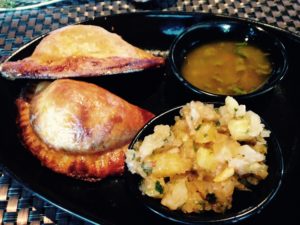 Latin American cuisine—it transcends national borders, yet finds its personality regionally. From South American countries like Argentina, Peru and Chile, north to Mexico, plus the Caribbean countries of Cuba and Puerto Rico, Latin food is more about cooking style and native crops than nationalities. Climate, altitude and history shaped the recipes. This means dishes evolve as one travels from the seashore to inland areas and the mountains. Maize, peppers, beans, ancient grains and Spanish-influenced rice mix with beef, chicken and pork as well as seafood in coastal locales.
 Fall 2015
 August 11, 2015
 Regulars who travel Interstate 40 through Williams might have noticed that the highway sign for the decades-long mainstay of Denny’s on the west side of town is no longer there. As it turns out, the chain eatery had transformed into Kicks on Route 66, with such an abundance of fresh, inviting fare as to make it a dining destination. That is the secret ingredient independent restaurants can offer—choice. Often, local sourcing, scratch cooking or seasonal menus can offer customers an adventurous culinary reason to return.
  “It’s as bad you think it is,” Carol Levin says, describing the loss of her son to a drunk driver, “but he was an amazing person, and we’ll live his life in the best way we can—we need that.” It’s why Levin got involved with Mothers Against Drunk Driving® (MADD).


 In the streets of Saigon, now Ho Chi Minh City, one can eat a nourishing meal from a cart at any time of the day or night. And often the meal on offer remains consistent despite the hour. Vietnamese food is full of garden goodies, meat or seafood, bone broth and rice in one form or another. It’s not complex, but the joy is in its simple, recognizable, and raw components. Pho, a noodle soup with unlimited add-ins, and banh mi, a tender, tasty sandwich, are the trendier trademarks, yet there is larger menu to explore among this healthy cuisine.
  On a recent foodie tour through New York City with our son, who works in the restaurant industry, we wandered into Mario Batali’s Eataly. The conglomeration of corner shops under one roof, if you will—from pasta and sweets to fish and meats—contains hundreds of thousands of imported Italian products. While putting a damper on eating local, such a display does invoke a yearning for tomato sauce. In fact, the celebrity chef believes making red sauce should be the first lesson of every kitchen novice. And yes, his recipe employs canned tomatoes. Shocking, I know. “It’s simple, it’s delicious … it almost hurts,” Batali summed in the introduction.